
It is beneficial for both us and nature if resources remain in circulation for as long as possible. Let’s take a closer look at what the circular economy means in practice.
What is the circular economy?
The circular economy is an economic model that breaks away from the traditional linear “extract–produce–consume–dispose” approach. Its essence is to keep materials and resources in circulation for as long as possible, rather than using them only once. This can be achieved in several ways: by making products more durable, repairing them, reusing them, recycling them, or even utilizing them as an energy source. The circular economy mimics the functioning of nature, where there is no waste because everything re-enters the cycle.
Why is the circular economy beneficial in waste management?
When waste management follows the principles of the circular economy, it brings multiple advantages:
- Waste reduction: significantly less garbage ends up in landfills and incinerators.
- Raw material savings: through recycling, fewer new raw materials need to be extracted.
- Energy savings: processing recycled materials requires less energy than processing raw resources.
- Environmental protection: soil, water, and air pollution are reduced.
- Economic opportunities: new industries and jobs are created in recycling, repair, and sustainable innovation.
- Sustainability: ensures that resources do not run out in the long term.
Thus, the circular economy not only protects the environment but also creates economic and social value while reducing unnecessary material flows.
How does the circular economy appear in Hungarian waste management?
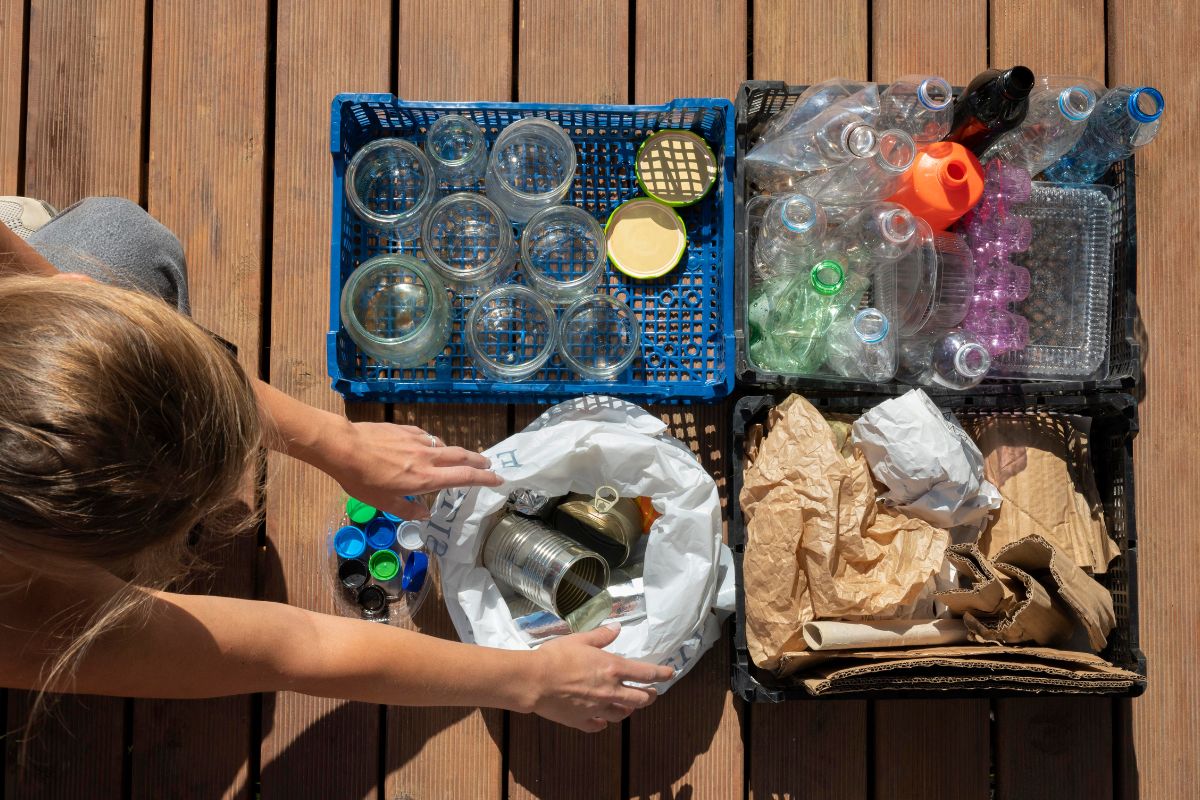
In Hungary, we see more and more examples of circular economy principles being applied to waste management. Selective waste collection is now available nationwide, allowing paper, plastic, glass, and metal to be processed separately. In 2024, a mandatory deposit-return system was launched, encouraging people to return PET bottles, glass containers, and cans so that new products can be made from them. In the industrial sector, more solutions are being implemented where waste is turned into secondary raw materials, such as in construction.
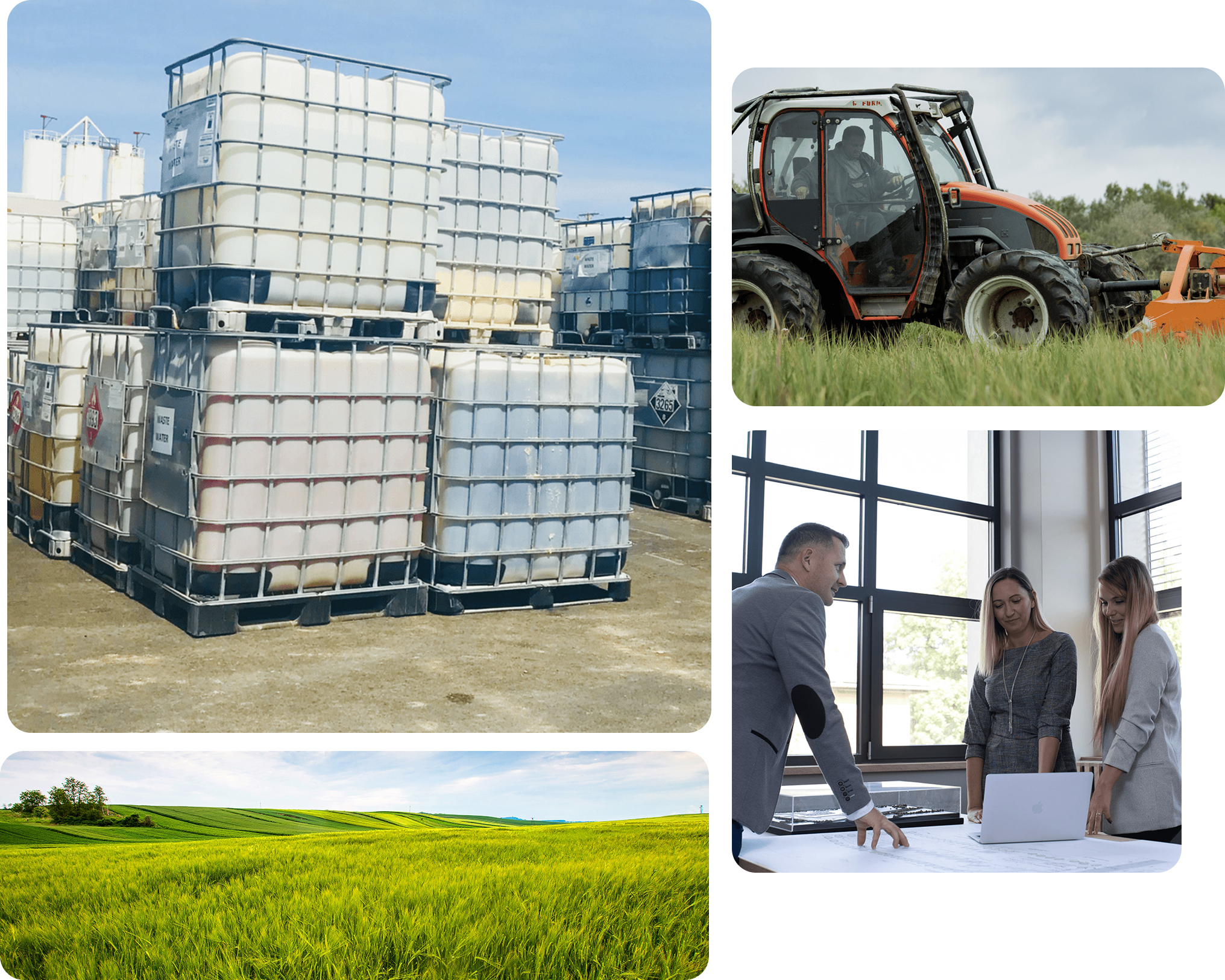
Companies handling hazardous or industrial waste also play an important role in the process. For example, Envirotis carries out activities that directly contribute to the goals of the circular economy: processing industrial waste, remediation, and recovering usable materials. This shows that circularity can be applied not only at the household level but also in heavy industry and specialized waste management.
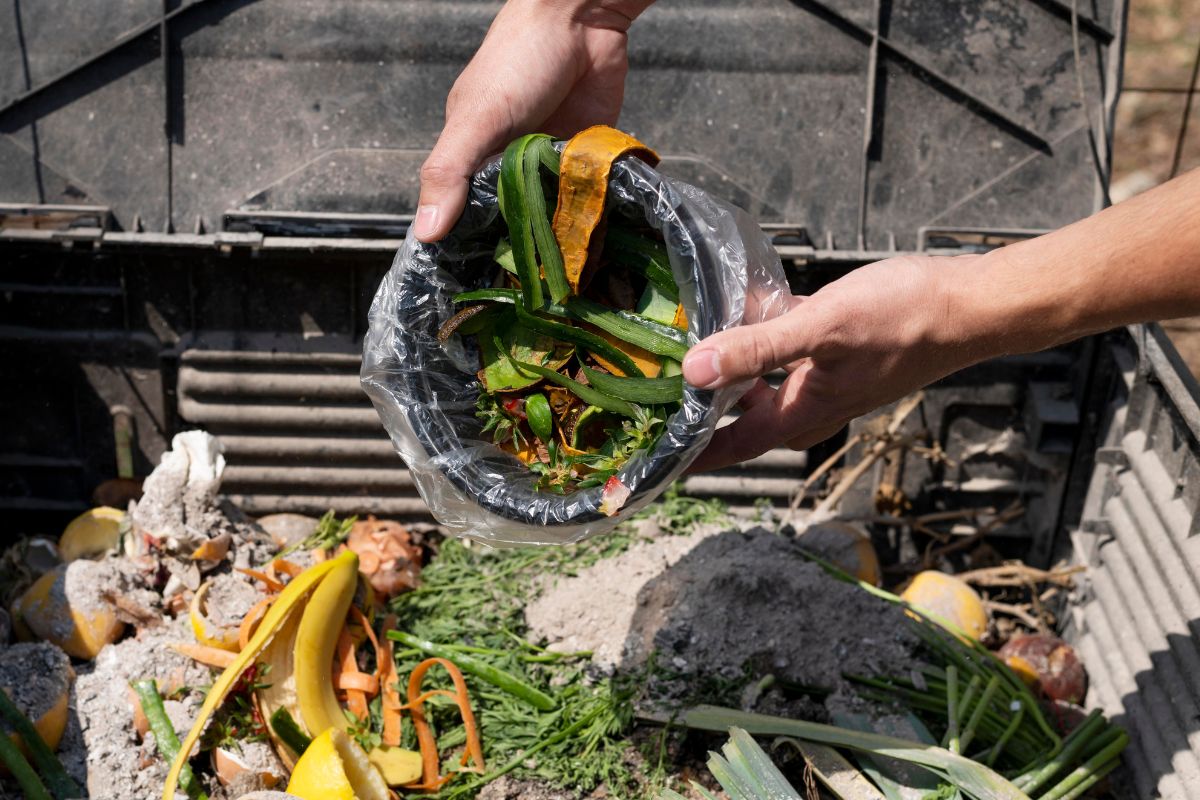
Energy recovery is another essential part of the process since some non-recyclable waste is used as an energy source in incineration plants or cement factories. In addition, more and more local initiatives support waste prevention: composting programs, community repair workshops, and swap events highlight that waste does not have to be the end of the line. The National Circular Economy Strategy also sets targets until 2030 to reduce landfilling and increase recycling.
Circular economy in everyday life
The circular economy is not only important at the industrial level but can also be applied in everyday life. A PET bottle placed in selective collection can become a new beverage container or even a raw material for clothing. Parts from a broken electronic device can be dismantled and reused in other appliances, while metals and plastics are recovered. Kitchen green waste can be composted into soil improver, returning nutrients back into nature’s cycle.
These examples show that the circular economy works at every level-from industrial processes to households. The key is that waste should not be seen as a burden but as an opportunity from which new value can be created.