
Fluxing oil is a product derived from the recycling of used oils through various industrial processes. But what exactly does this mean, and why is it important?
Why Recycle Used Oil?
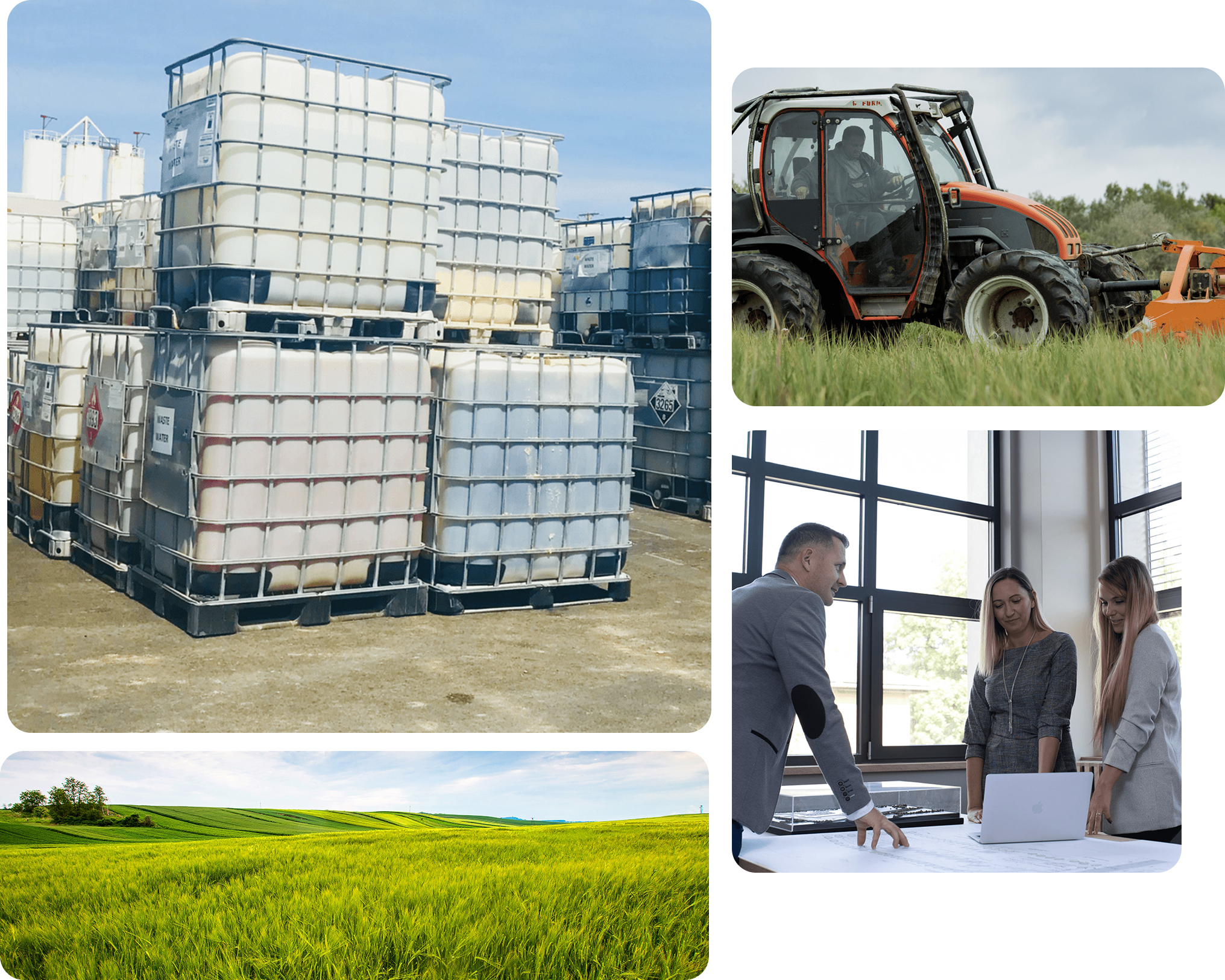
Used oil refers to lubricating and industrial oils that have become contaminated during operation and can no longer perform their original function. It has served for lubrication, cooling, or energy transfer in engines, hydraulic systems, gearboxes, and cooling units. However, during use, it becomes contaminated with metal particles, combustion residues, water, or degraded additives, rendering it unsuitable for further use.
Although it is classified as hazardous waste, used oil still contains valuable hydrocarbons in its chemical structure. With proper treatment, it can be recycled in accordance with the principles of the circular economy.

The Essence of the Circular Economy
The aim of the circular economy is to keep products and materials in circulation for as long as possible. This means prioritizing repair, reuse, refurbishment, and recycling, thereby minimizing waste and preserving the value of resources. As a result, environmental pollution is reduced, and the pressure on natural resources decreases.
Recycling Used Oil – From Waste to Fluxing Oil
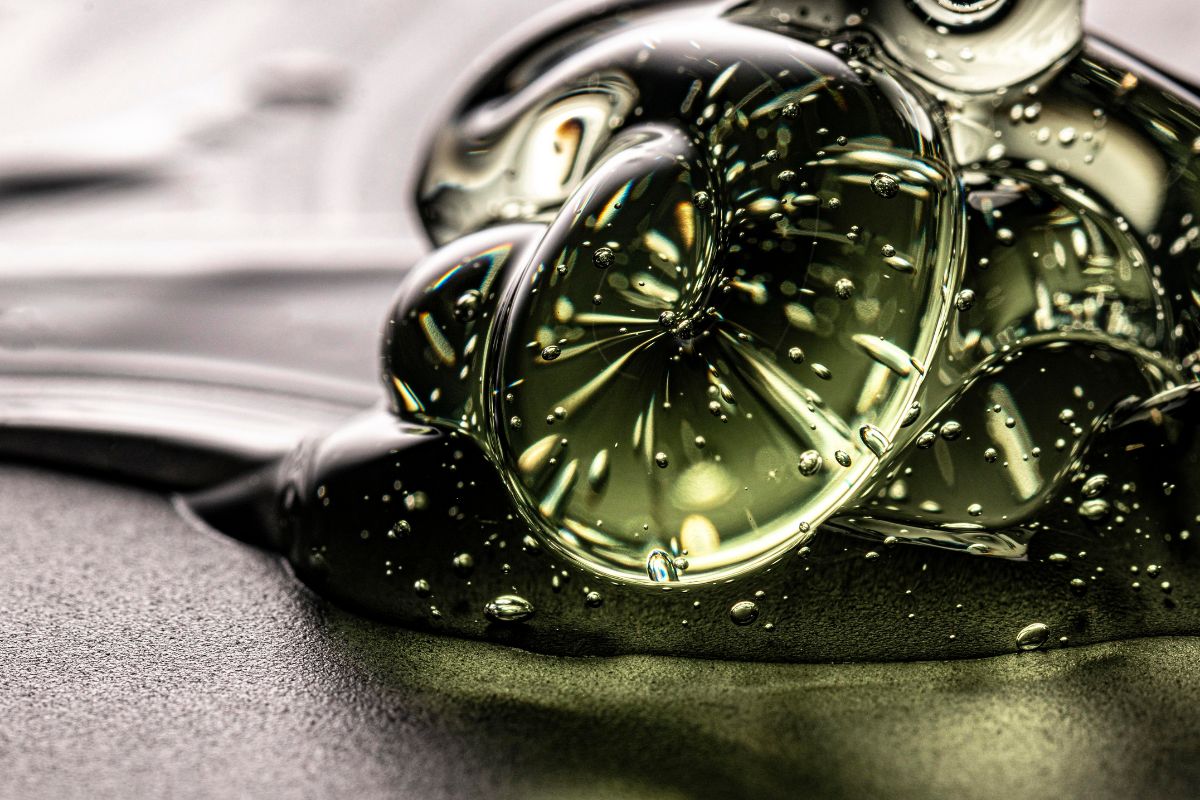
One of the best examples of this approach is the recycling of used oil. One possible outcome of its treatment is fluxing oil. It possesses similar physical and chemical properties to other oil-based products but offers a more cost-effective alternative in manufacturing.
This dense, low-volatility hydrocarbon product plays a key role in the production of bitumen used for road construction. When produced to high quality, it can also be used to manufacture bituminous shingles and waterproofing membranes.
Its main purpose is to improve the pourability and processability of blown bitumen and to reduce its viscosity. This makes bitumen easier to spread, provides a more uniform material, and results in more durable asphalt and roofing products.
The Process of Producing Fluxing Oil
The production of fluxing oil involves several industrial stages based on the re-refining and oxidation of used oil. The main steps include:
-
Pretreatment: Cleaning the used oil through settling, filtration, and dehydration.
-
Distillation: Vacuum distillation to remove lighter fractions.
-
Homogenization and Quality Control: Adjusting the final product’s viscosity, volatility, and stability.
Recycling used oil simultaneously reduces environmental impact and conserves natural resources, turning hazardous waste into a valuable raw material. Its application in bitumen production also brings economic benefits, as it replaces more expensive primary materials.
At Envirotis, we believe in creating value from every type of waste, providing the necessary industrial background to support it — because a circular economy serves the long-term interests of us all.